19th century + Information theory4 min
The stock tip hidden in a mistake
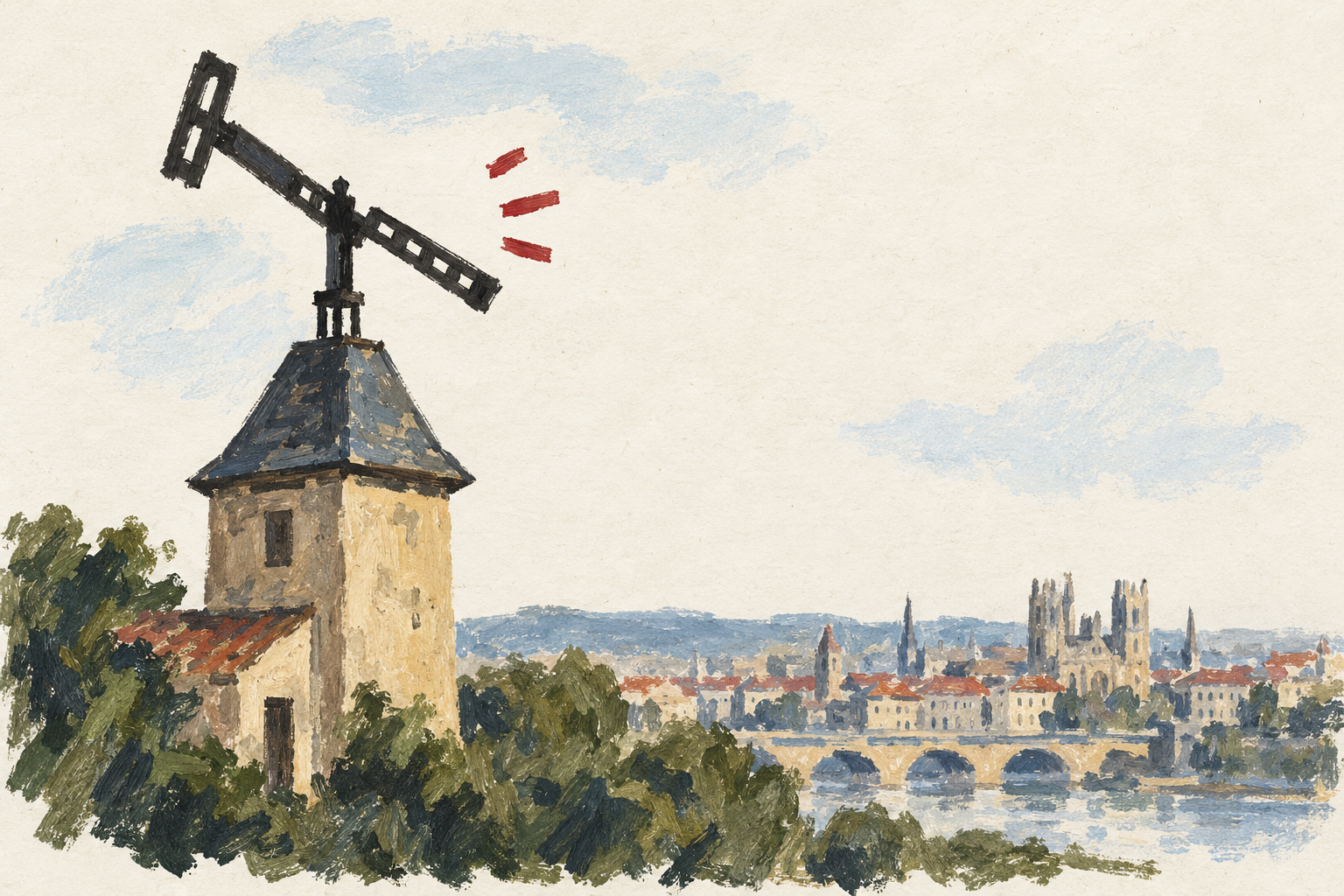
The Blanc brothers bribed a telegraph operator to insert mistakes. Their observer could read the stock tip before the government corrected the message.
26 essays on history and mathematics. Pick a story, or search for something that interests you.
Showing 26 of 26
The Blanc brothers bribed a telegraph operator to insert mistakes. Their observer could read the stock tip before the government corrected the message.
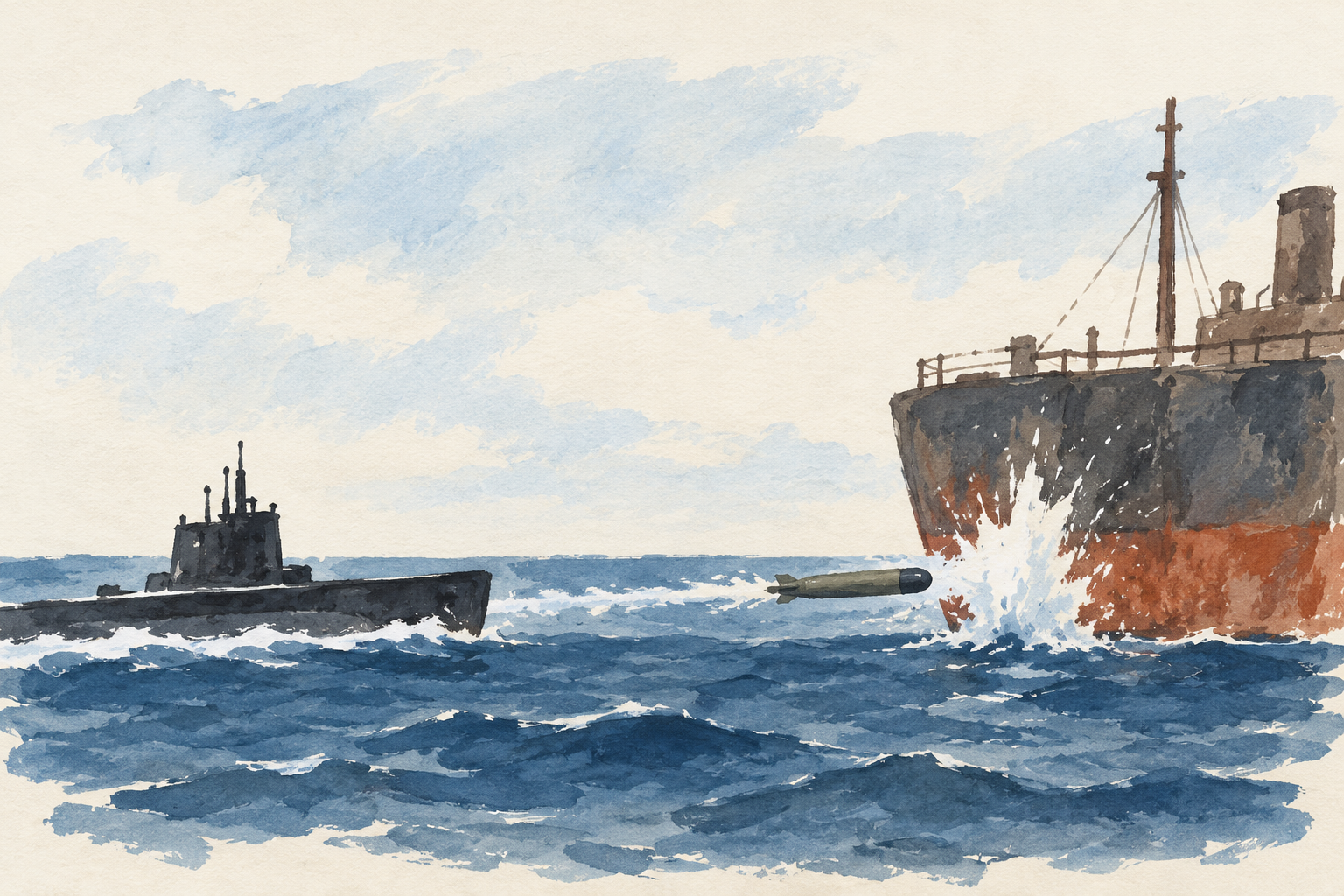
In July 1943, USS Tinosa kept hitting a Japanese tanker with torpedoes that failed to explode. Direct hits were exposing a fault inside the weapon.
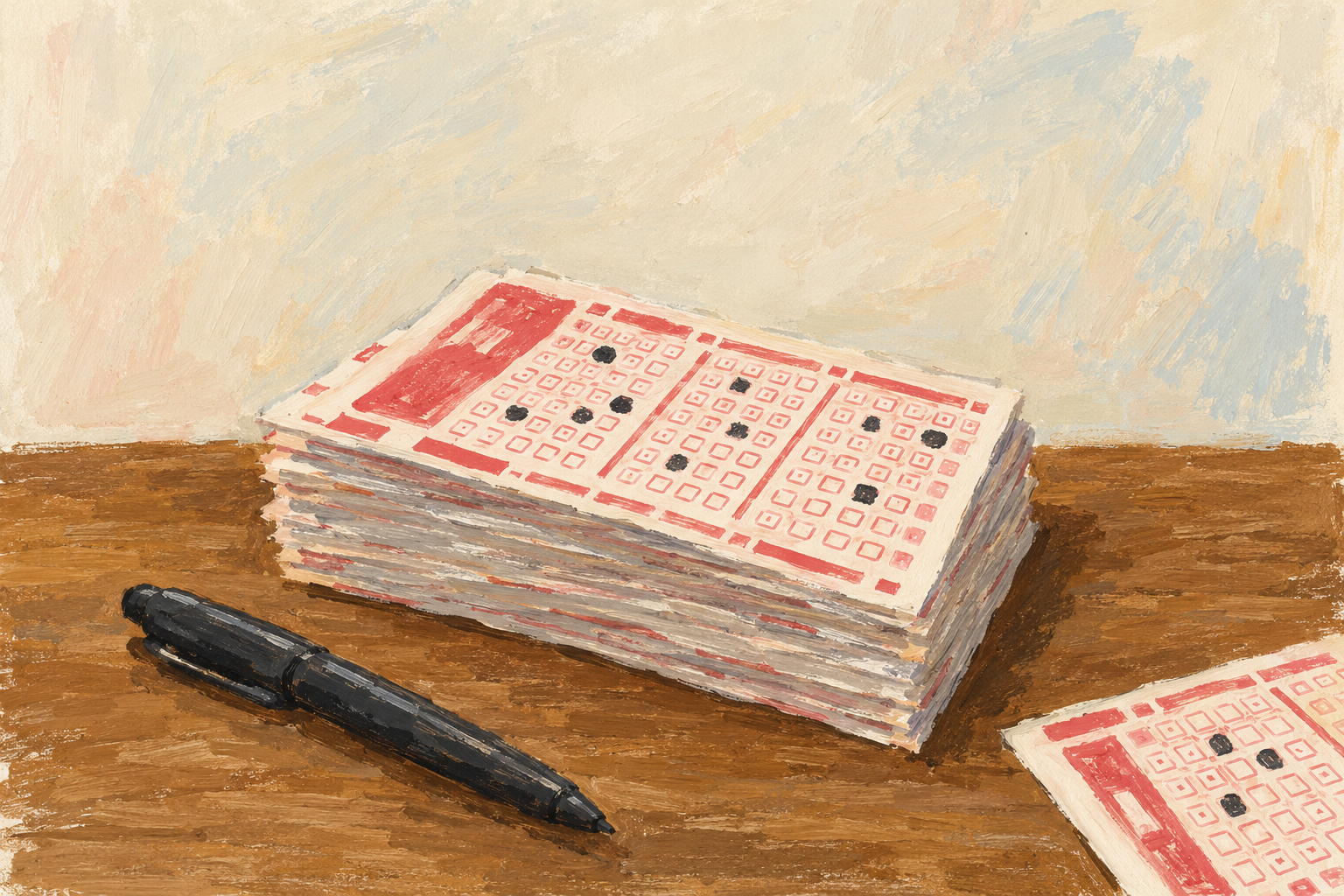
An MIT betting group bought enough tickets to trigger a special payout. Its purchases changed the lottery drawing it was betting on.
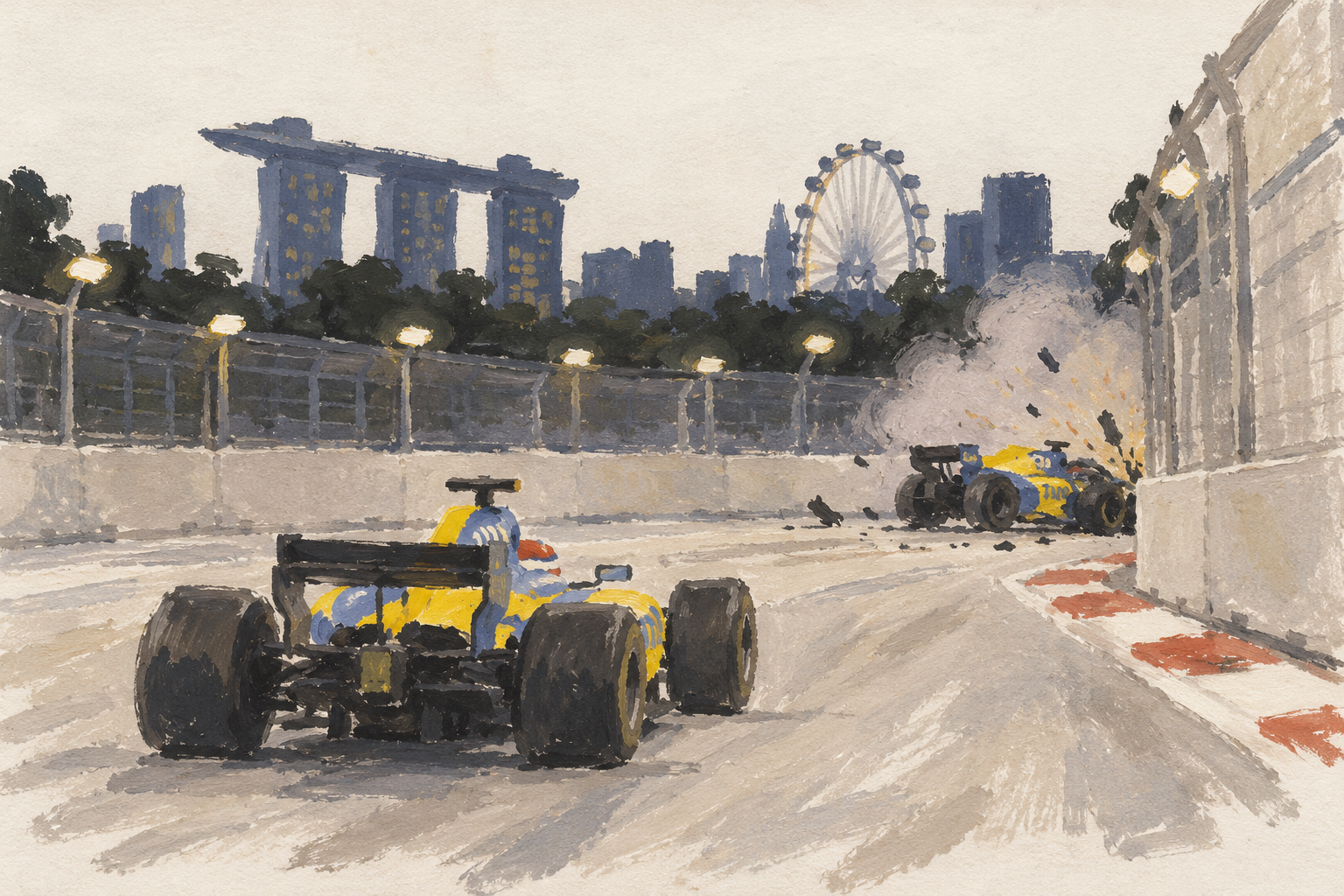
Alonso stopped on lap twelve. Piquet crashed on lap fourteen. The order of those events helped turn last place into a winning position.
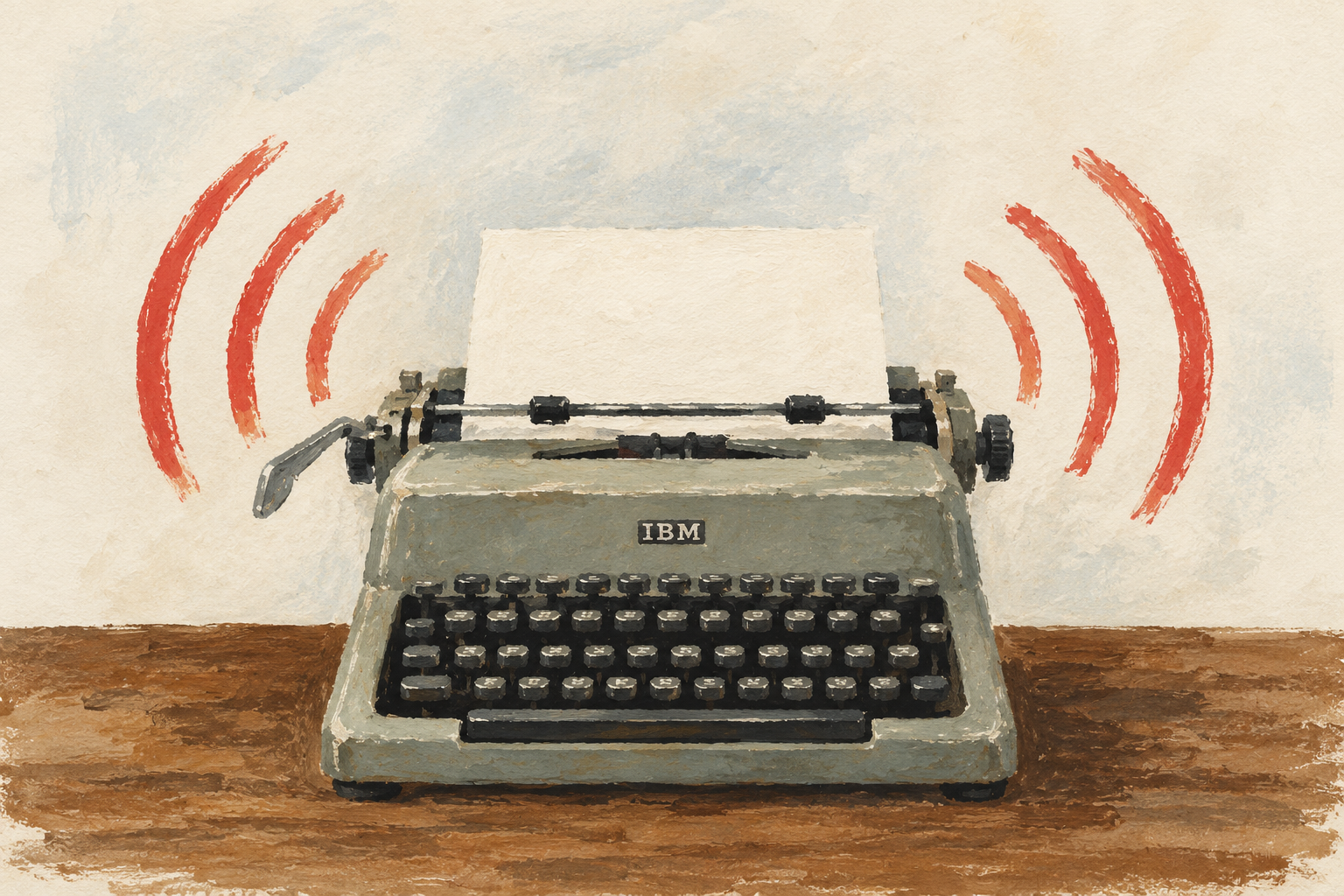
Soviet implants detected movements inside American embassy typewriters, leaking text before its later transmission could be encrypted.
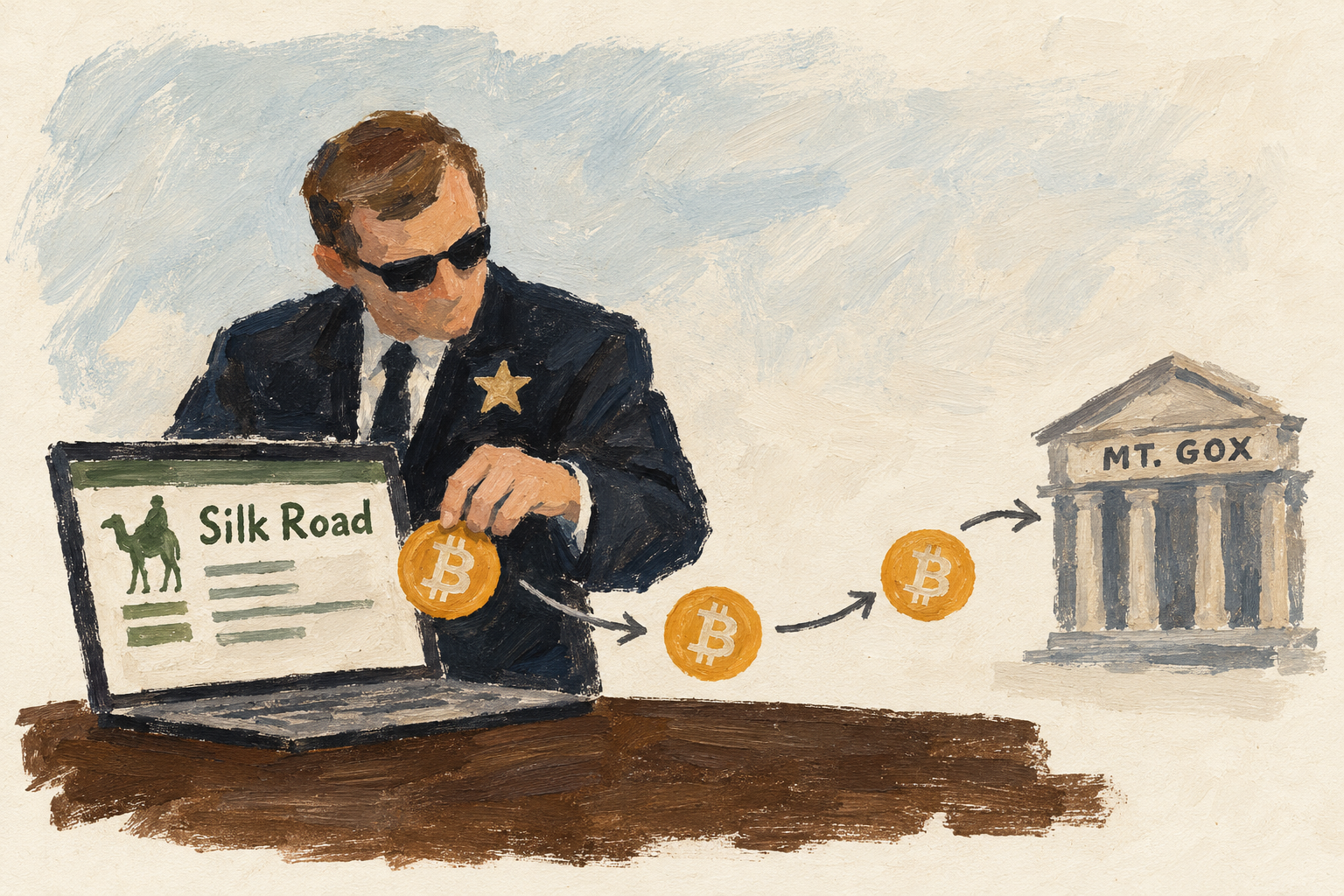
Secret Service agent Shaun Bridges stole bitcoin during the Silk Road investigation. The transaction history helped investigators follow the stolen money.
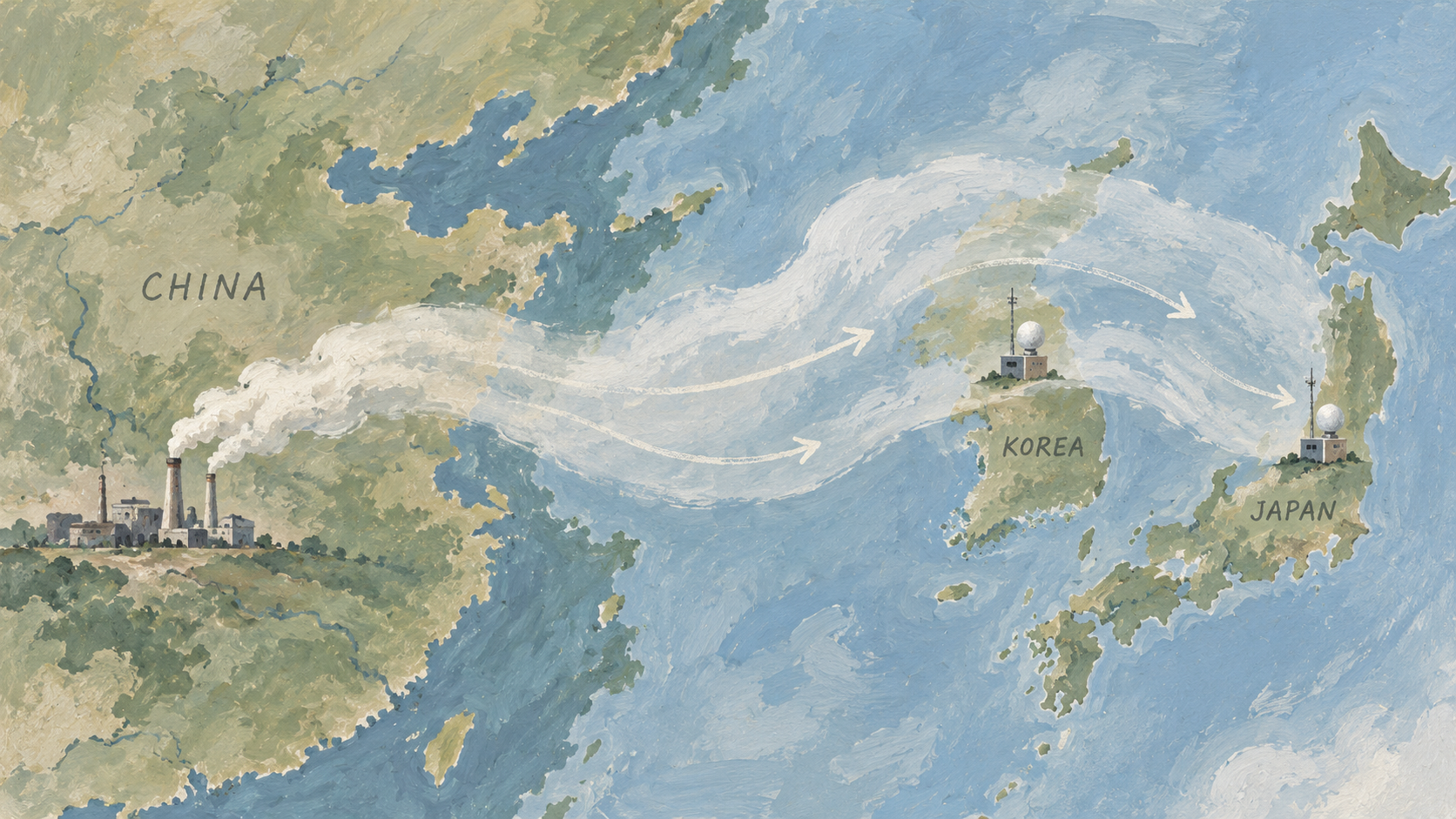
A banned gas was disappearing too slowly. Scientists used measurements in South Korea and Japan to narrow down where additional emissions were coming from.
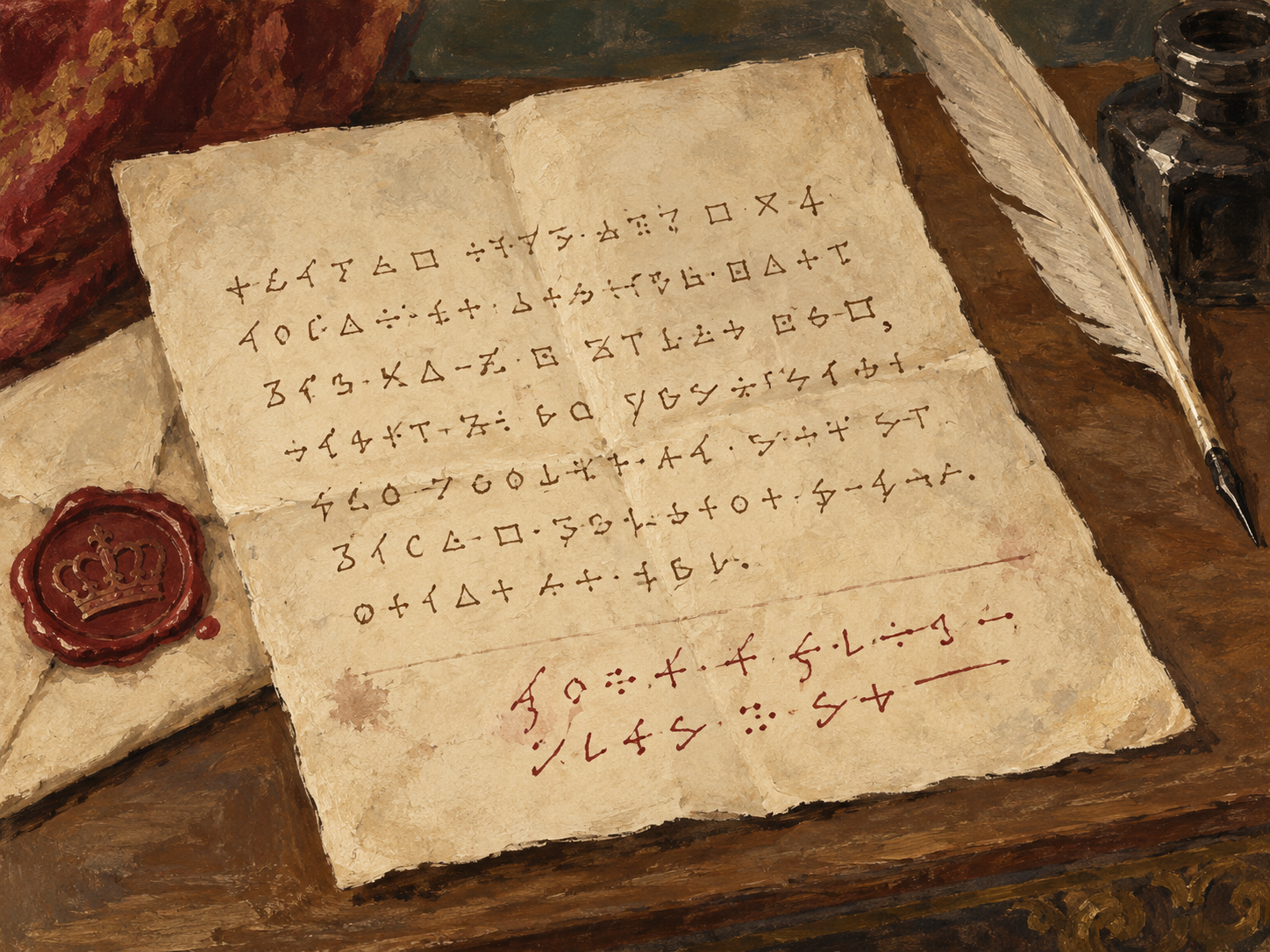
Elizabeth I’s agents deciphered Mary’s secret correspondence, then added a request of their own. Reading the cipher also let them write it.
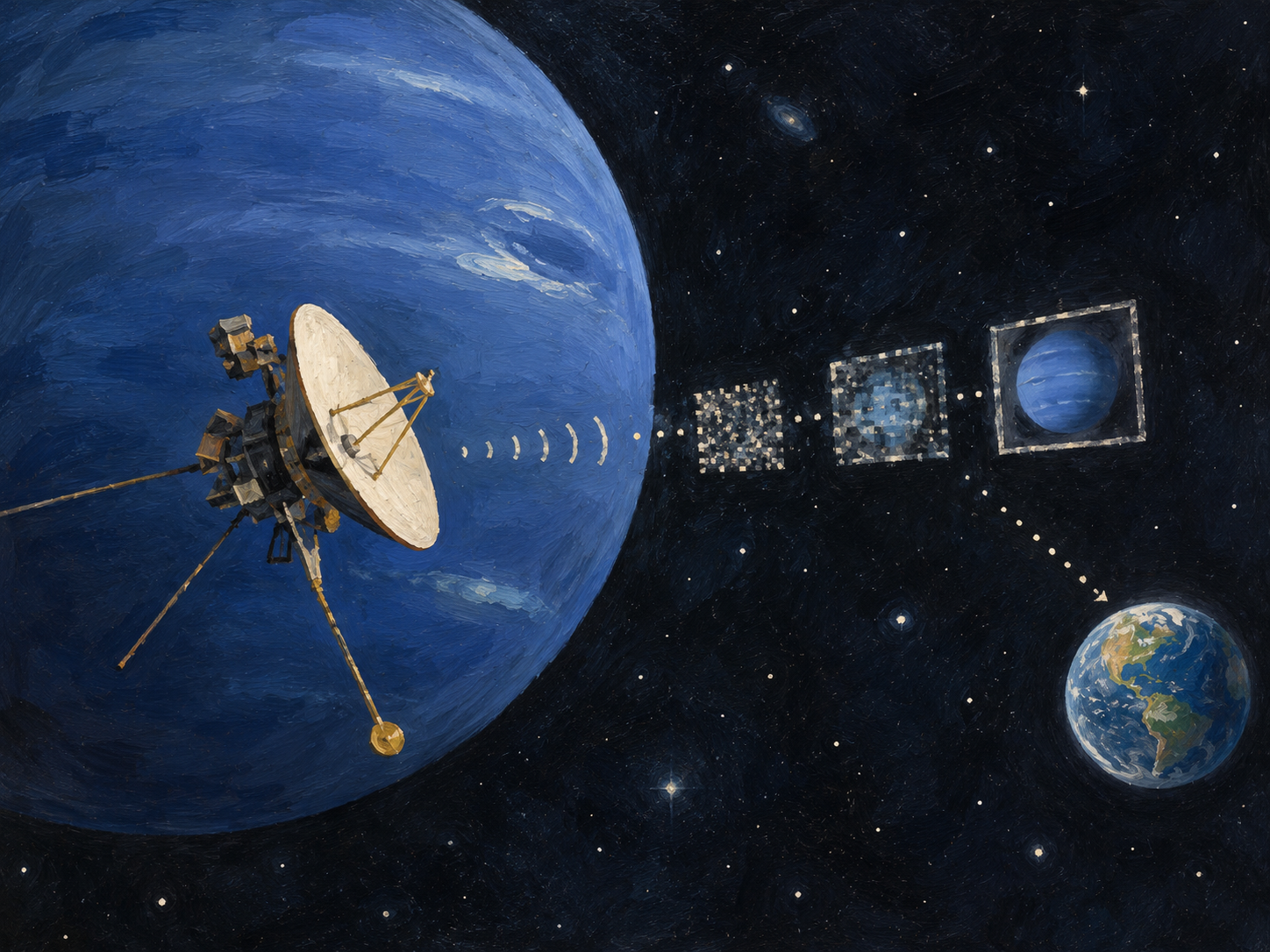
At Neptune in 1989, Voyager 2 sent faint radio messages across billions of kilometres. Mathematical relationships between symbols helped Earth recover the pictures.
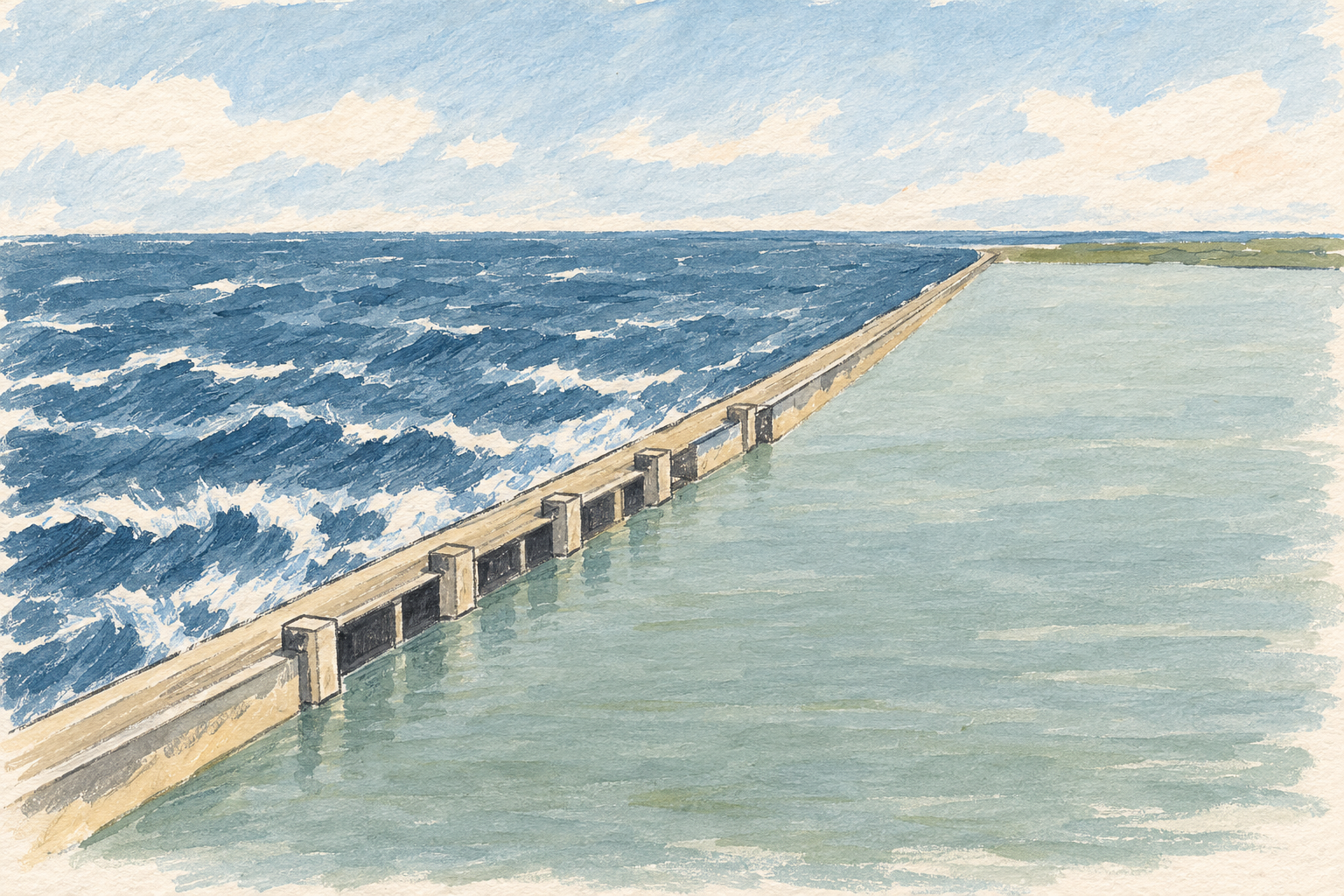
Before the Dutch closed the Zuiderzee, Lorentz and his committee spent eight years calculating what would happen to tides on the other side of the dam.
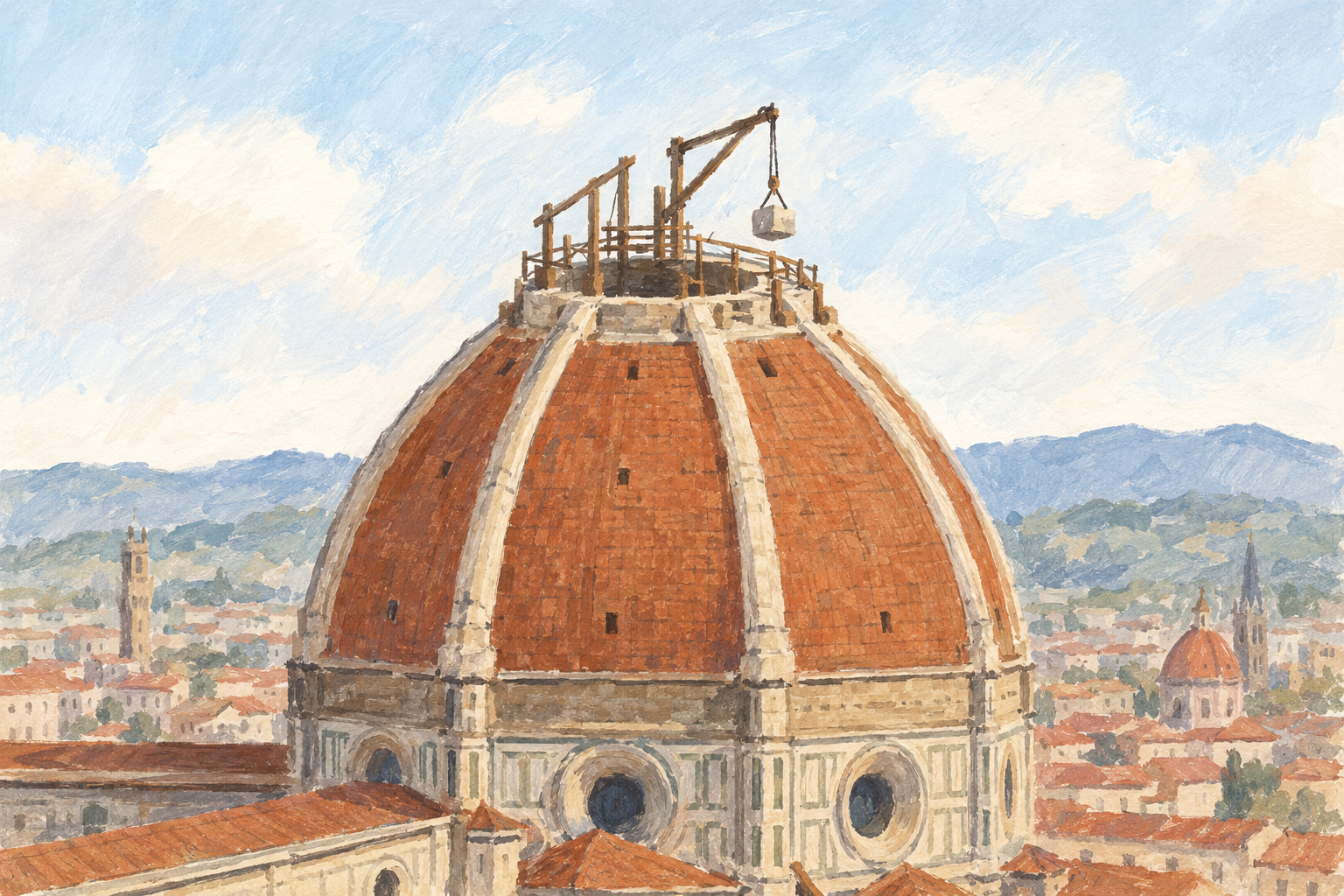
Beginning in 1420, Brunelleschi raised Florence’s enormous dome without full wooden centering. Every unfinished stage had to support the next.
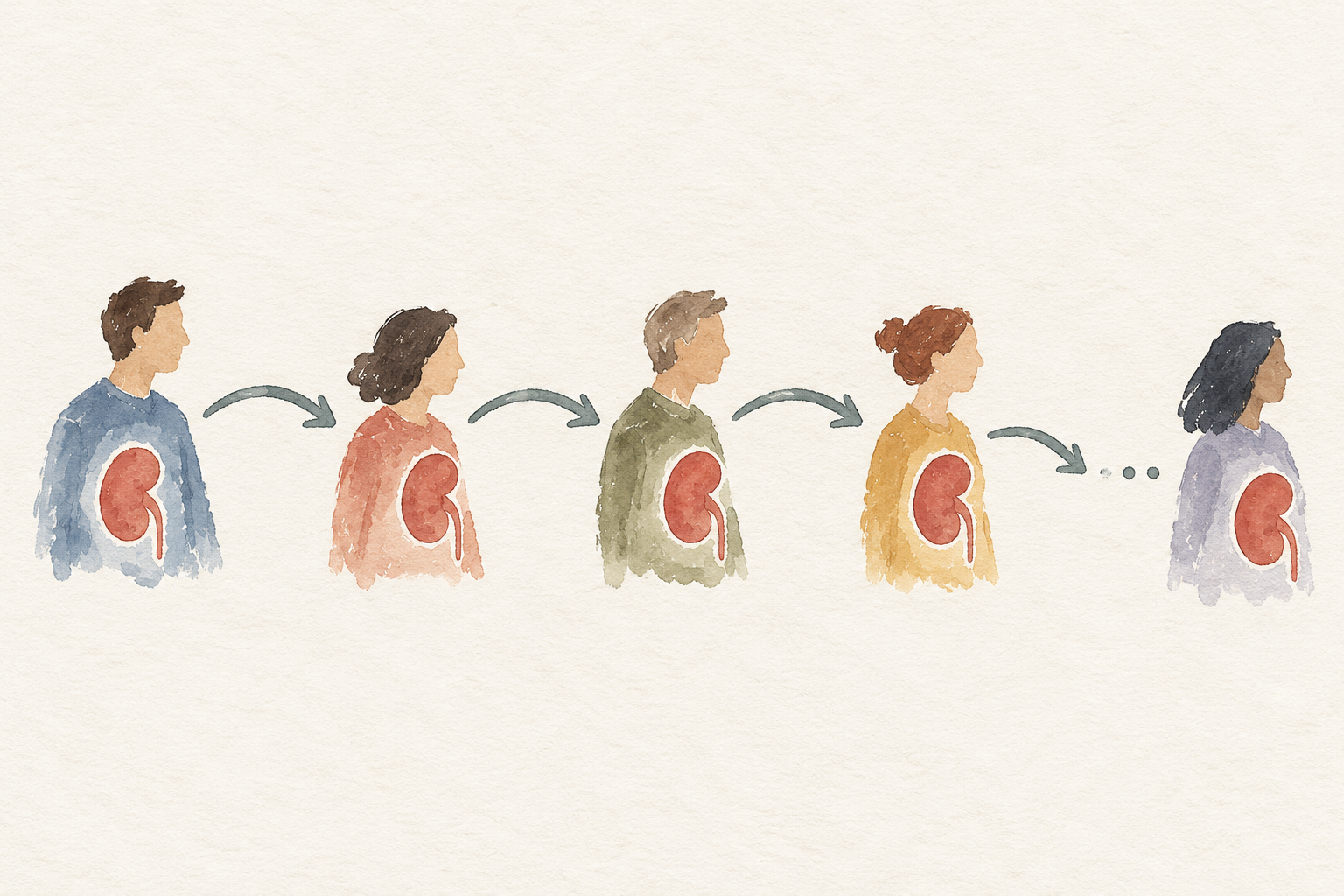
A donation in Phoenix in July 2007 began a chain that reached ten transplant recipients. The matching problem changed when the first donor needed nothing in return.
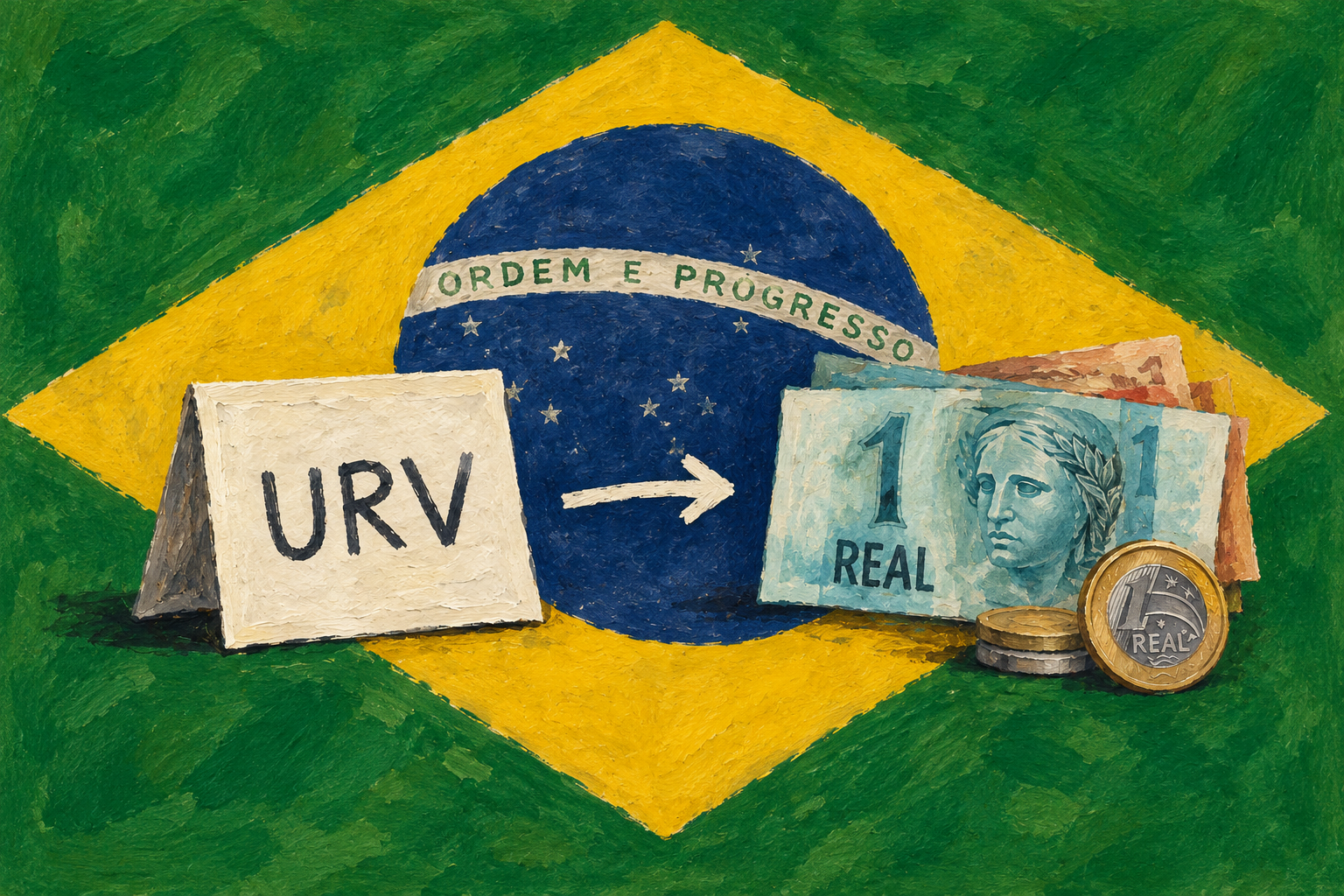
In March 1994, Brazil introduced a unit people could use to quote prices but could not spend. Four months later, the calculation became a currency.
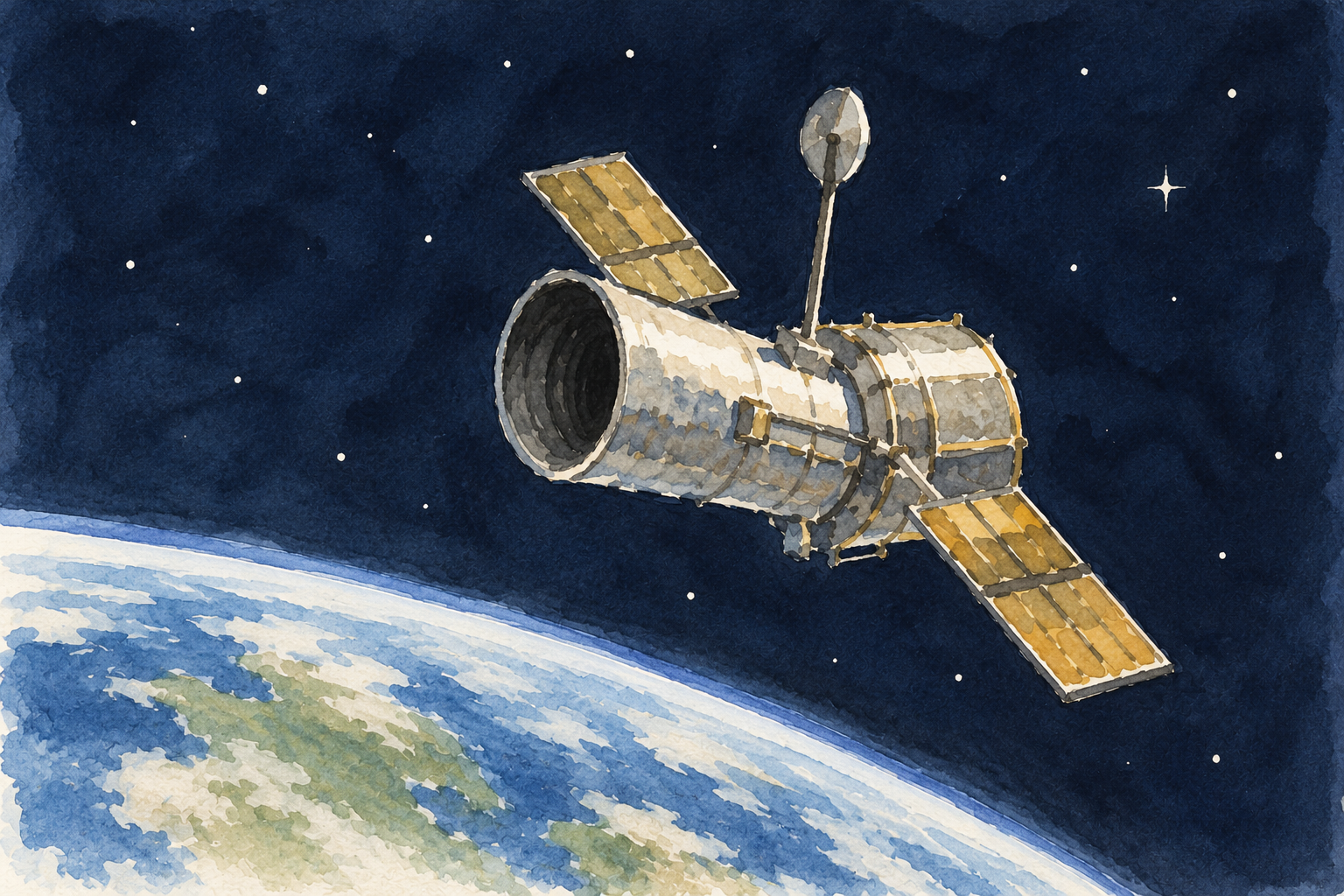
Hubble passed years of careful optical tests, then failed to focus in orbit. Investigators traced the mirror’s shape to a measuring instrument that had been assembled incorrectly.
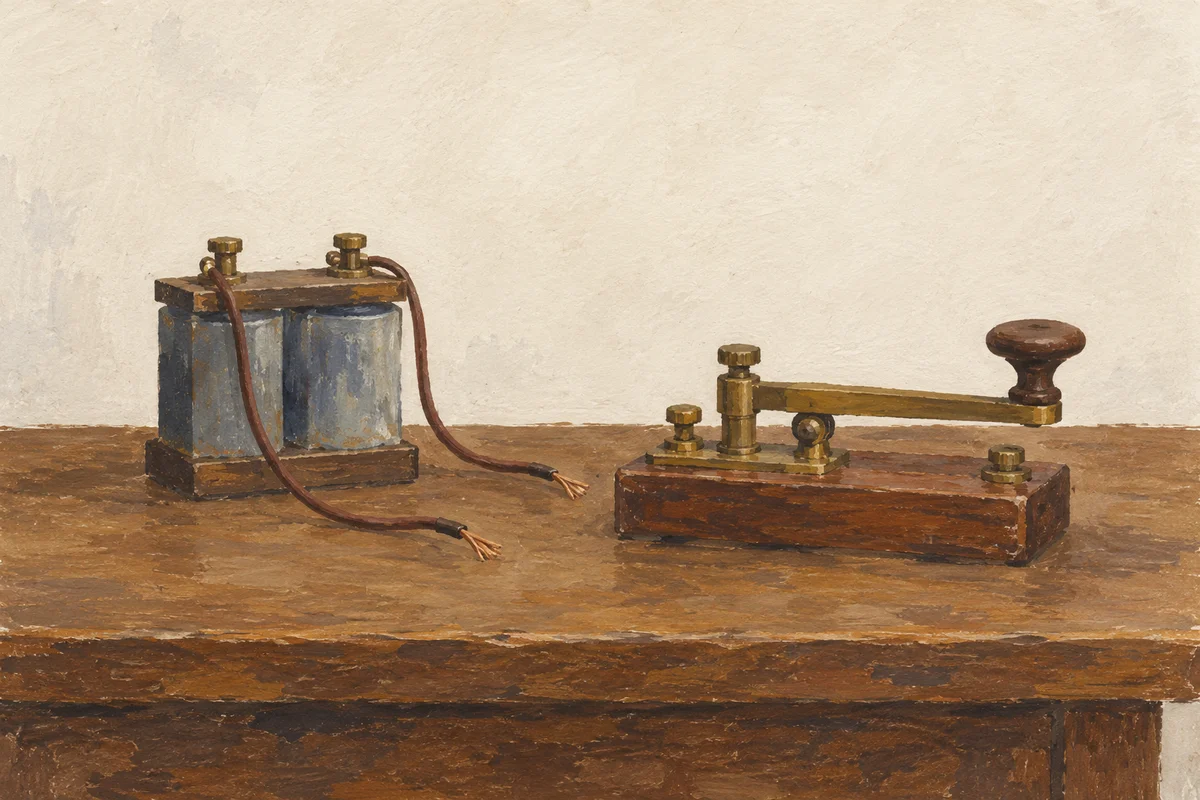
During the solar disturbances of 1859, telegraph operators between Boston and Portland disconnected their batteries. They kept sending messages.
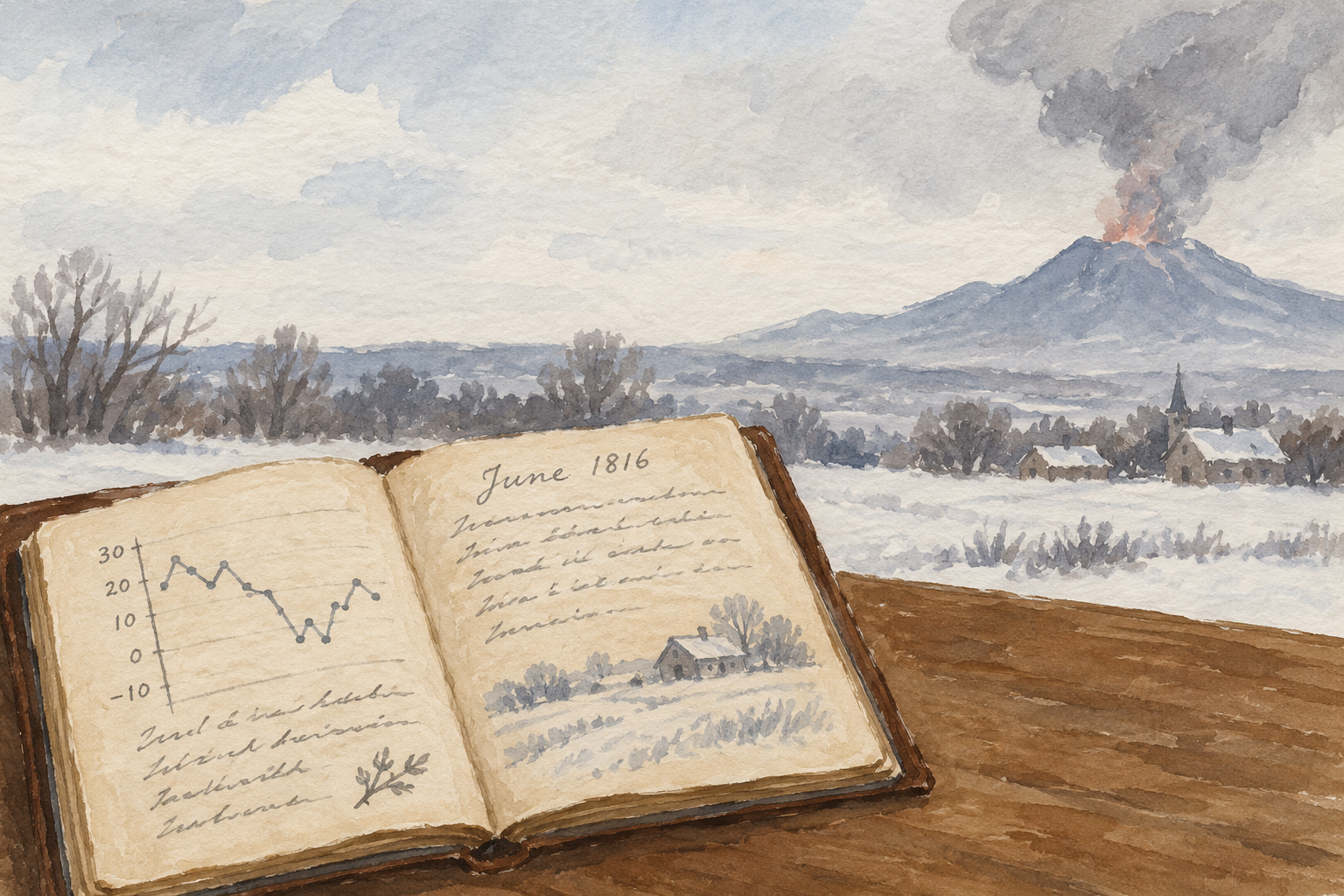
In June 1816, snow fell in parts of New England. Crops suffered through a growing season that seemed to have misplaced summer.
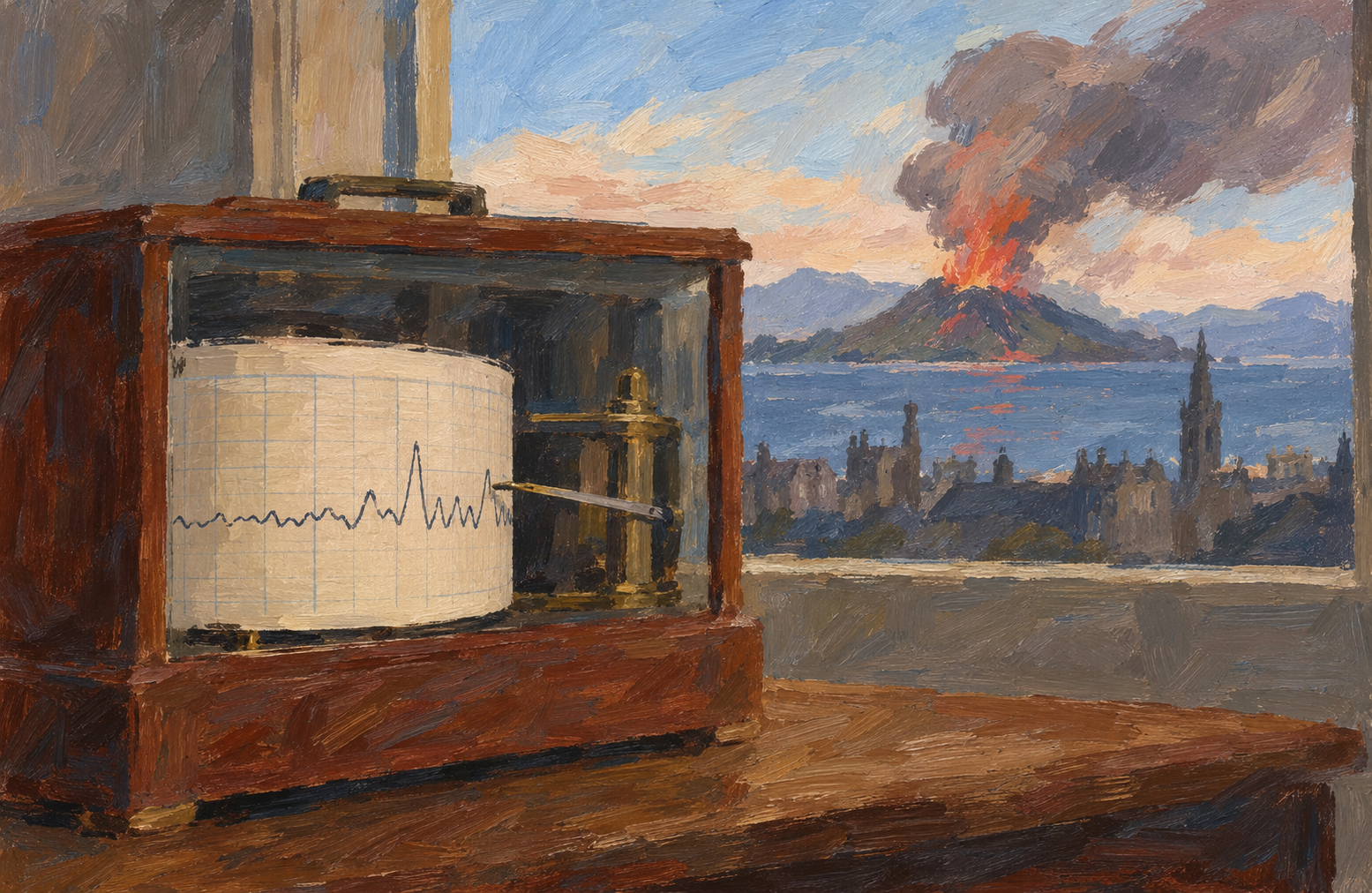
Eleven hours after Krakatoa erupted on August 27, 1883, an instrument in Glasgow recorded a change in air pressure. About fourteen hours later, it recorded another. Over the next several days, related disturbances kept returning.
With 299 seats in the House, Alabama would have received eight. With 300, it would have received seven. The problem was how the remaining seats were assigned.
In WW2, an entire Allied intelligence network estimated German tank production at 1,400 per month. A handful of mathematicians with a simple formula got it down to 246. They were off by one.
This post looks at the Voronoi diagram, how it saved thousands of lives, and its uses today.

This post explores how survivorship bias has roots in history and how it still plays a big role in our lives today.
This week we cover the Birthday Paradox which shows just how wrong our intuition can sometimes be.
In this post we explore the origins of the Monte Carlo approach to estimation of many complicated problems and how Monte Carlo is used today.
In this week's post we cover the origins of Algebra, a topic we are all familiar with. However, many of us don't know actually know where it's from.

In this week’s post on The Common Denominator, we take a deep dive into the math behind traffic jams: how they form, what causes them, and the hidden patterns that reveal possible fixes. Read on to uncover the surprising math behind the gridlock.
This is an introduction to the Common Denominator blog.